
প্রথম অর্ডারটি ঠিক মনে হচ্ছে। যখন আরও প্রয়োজন হয় তখন কী হবে?
সিন্টার্ড স্টোনের প্রথম অর্ডারের একটি সুস্পষ্ট সমাপ্তি রেখা থাকে: স্পেসিফিকেশন চূড়ান্ত হয়, নমুনা অনুমোদিত হয়, উৎপাদন সম্পন্ন হয় এবং পণ্য এসে পৌঁছায়।
দ্বিতীয় ক্রমটি ভিন্ন।
একজন ক্রেতার একটি নতুন পর্যায়ের জন্য অতিরিক্ত স্ল্যাব, কয়েক মাস পরে প্রতিস্থাপন সামগ্রী, চলমান কোনো পণ্য সারির জন্য পুনঃপূরণ, অথবা অন্য কোনো প্রকল্পের জন্য একই পৃষ্ঠতলের প্রয়োজন হতে পারে। সেই মুহূর্তে, প্রশ্নটি আর কেবল এই থাকে না যে প্রস্তুতকারক পণ্যটি উৎপাদন করতে পারবে কি না। প্রশ্নটি হয়ে দাঁড়ায়, নতুন উপাদানটিকে ইতোমধ্যে অনুমোদিত উপাদানটির সাথে নির্ভরযোগ্যভাবে মেলানো যায় কি না।
এইখানেসিন্টারড স্টোন ব্যাচ সামঞ্জস্যএটি একটি বাস্তব ক্রয় সংক্রান্ত বিষয় হয়ে দাঁড়ায়।
২০২৬ সালের ডিজাইনে বড় আকারের এবং দৃষ্টিনন্দন পৃষ্ঠতলগুলোর প্রাধান্য অব্যাহত থাকায়, উৎপাদন ব্যাচ, বাহ্যিক রূপ এবং ভবিষ্যৎ সরবরাহের মধ্যকার সম্পর্ক আরও তাৎপর্যপূর্ণ হয়ে ওঠে।
উদ্দেশ্যটি এমন নয় যে প্রতিটি উৎপাদন চক্র দেখতে হুবহু একই রকম হবে। বরং, এর উদ্দেশ্য হলো একটি সুস্পষ্ট মানদণ্ড এবং একটি নিয়ন্ত্রিত পদ্ধতির মাধ্যমে মূল্যায়ন করা যে, পরবর্তী উপাদানটি উদ্দিষ্ট প্রয়োগের জন্য উপযুক্ত থাকে কি না।
যেসব ক্রেতা বারবার, পর্যায়ক্রমিক বা দীর্ঘমেয়াদী সরবরাহের পরিকল্পনা করছেন, তাদের জন্য এই প্রক্রিয়াটি প্রথম ক্রয়ের মাধ্যমেই শুরু করা উচিত।
প্রথম অর্ডার এবং পুনরাদেশ এক নয়।
প্রথম অর্ডারের মাধ্যমে আপনি কী কিনছেন তা স্থির করা হয়। পরবর্তী অর্ডারের মাধ্যমেও আপনাকে কী কিনতে হবে তা স্থির করতে হয়।আবার.
এই পার্থক্যটি গুরুত্বপূর্ণ, কারণ নতুন উৎপাদন ভিন্ন সময়ে, ভিন্ন উৎপাদন পরিস্থিতিতে, অথবা উৎপাদন, ফিনিশিং, প্যাকেজিং বা পণ্যের প্রাপ্যতার পরিবর্তনের পরে হতে পারে। এমনকি বাণিজ্যিক পণ্যটি একই নামে থাকলেও, ক্রেতার নতুন উপাদানটিকে পূর্বে গৃহীত উপাদানের সাথে তুলনা করার জন্য একটি বাস্তব ভিত্তি প্রয়োজন।
সীমিত দৃশ্যগত চাহিদা সম্পন্ন কোনো এককালীন প্রকল্পের ক্ষেত্রে এর বাণিজ্যিক প্রভাব সামান্যই হতে পারে। কিন্তু সরবরাহ প্রক্রিয়ার একাধিক পর্যায়, নিয়মিত উৎপাদন হয় এমন কোনো আসবাবপত্রের কর্মসূচি, কিংবা একই ধরনের পণ্য সরবরাহকারী কোনো পরিবেশকের ক্ষেত্রে এটি অনেক বেশি গুরুত্বপূর্ণ হয়ে উঠতে পারে।
সুতরাং প্রথম চালানটিকে একটি বিচ্ছিন্ন লেনদেন হিসেবে বিবেচনা করা উচিত নয়। এটি পরবর্তী সবকিছুর জন্য একটি নির্দেশক বিন্দু হয়ে উঠতে পারে।
একটি সুপরিচালিত পুনরাদেশ প্রক্রিয়া শুধুমাত্র মূল পণ্যের নামের উপর নির্ভর না করে, নতুন উৎপাদনকে পূর্ববর্তী সেই রেফারেন্সের সাথে সংযুক্ত করে।
“একই পণ্য” যথেষ্ট তথ্য নয়
পণ্যের নাম বা SKU বাণিজ্যিক পণ্যটিকে শনাক্ত করে, কিন্তু কোনো ক্রেতা যখন পরবর্তী অর্ডারের জন্য ফিরে আসেন, তখন গুরুত্বপূর্ণ এমন সব বৈশিষ্ট্য এতে অন্তর্ভুক্ত নাও থাকতে পারে।
মূল অনুমোদনে একটি নির্দিষ্ট রঙের ধরণ, পৃষ্ঠতলের মসৃণতা, নকশার বিন্যাস, শিরার দিক, পুরুত্ব, আকৃতি বা অন্য কোনো সম্মত বৈশিষ্ট্য অন্তর্ভুক্ত থাকতে পারে। একটি সংক্ষিপ্ত পণ্যের বিবরণে এই বিবরণগুলির কিছু অংশ সম্পূর্ণরূপে তুলে ধরা সম্ভব নাও হতে পারে।
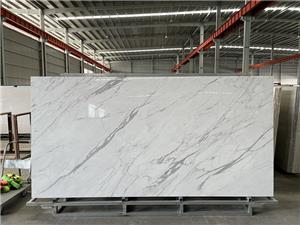
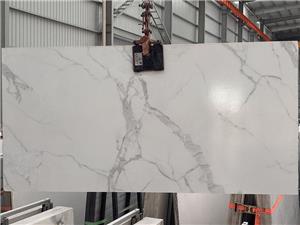
এটি বিশেষভাবে প্রাসঙ্গিক হয়ে ওঠে যখন পৃষ্ঠতলে সুস্পষ্ট শিরাবিন্যাস বা একটি অত্যন্ত দৃশ্যমান আলংকারিক নকশা থাকে। দুটি স্ল্যাব একই বাণিজ্যিক পণ্যের অন্তর্ভুক্ত হলেও একটি বৃহৎ পৃষ্ঠতল জুড়ে তাদের দৃশ্যগত সম্পর্ক ভিন্ন হতে পারে।
একই সমস্যা দেখা দিতে পারে যখন একজন ক্রেতার কেবল অল্প পরিমাণে প্রতিস্থাপন সামগ্রীর প্রয়োজন হয়। চাহিদাটি কেবল “একই SKU-এর আরও বেশি” নাও হতে পারে। এটি হতে পারে “এমন সামগ্রী যা ইতিমধ্যে স্থাপিত সামগ্রীর পাশাপাশি ব্যবহার করা যাবে।”
সেটি একটি ভিন্ন ক্রয় সংক্রান্ত আবশ্যকতা।
তাই, পুনরায় সরবরাহের জন্য ক্রেতার উচিত অনুমোদিত পণ্যটি শনাক্ত করতে এবং যে বৈশিষ্ট্যগুলোর কারণে মূল উপাদানটি গ্রহণযোগ্য হয়েছিল, সেগুলো চিহ্নিত করার জন্য পর্যাপ্ত তথ্য সংরক্ষণ করা।
আপনার অনুমোদিত নমুনাটি একটি রেফারেন্স হয়ে ওঠে, প্রতিশ্রুতি নয়।
উপাদান অনুমোদনের ক্ষেত্রে নমুনার একটি গুরুত্বপূর্ণ ভূমিকা রয়েছে, কিন্তু এটিকে এমন নিশ্চয়তা হিসেবে গণ্য করা উচিত নয় যে ভবিষ্যতের প্রতিটি স্ল্যাব নমুনাটিকে হুবহু একই ভাবে পুনরুৎপাদন করবে।
এটি বিশেষত দৃশ্যমান বৈচিত্র্যযুক্ত বড় আকারের উপকরণের ক্ষেত্রে প্রাসঙ্গিক। একটি ছোট নমুনা অনেক বড় একটি পৃষ্ঠের কেবল সীমিত অংশকে প্রতিনিধিত্ব করে। এটি সম্পূর্ণ স্ল্যাব জুড়ে নকশার বিন্যাসের পূর্ণ পরিসর না দেখিয়েও সাধারণ রঙ, ফিনিশ এবং ডিজাইনের দিকনির্দেশনা জানাতে পারে।
সেই কারণে, একটি অনুমোদন প্রক্রিয়া আরও কার্যকর হতে পারে যখন নমুনাটিকে একটি হিসাবে বিবেচনা করা হয়।যাচাইযোগ্য ক্রয় রেফারেন্সশুধুমাত্র একটি চাক্ষুষ নমুনা হিসেবে নয়। ব্যাচ অনুমোদনের বিষয়ে শিল্প নির্দেশিকাও একইভাবে শূন্য তারতম্য প্রত্যাশা করার পরিবর্তে অনুমোদিত রেফারেন্স শনাক্ত করা এবং এটিকে উৎপাদন তথ্যের সাথে সংযুক্ত করার উপর জোর দেয়।
সরবরাহকারী এবং পণ্যের উপর নির্ভর করে, প্রয়োজনীয় নথিপত্রের মধ্যে পণ্যের কোড, পুরুত্ব, ফিনিশ, স্ল্যাবের ধরণ, উৎপাদন বা ব্যাচ রেফারেন্স, অনুমোদনের তারিখ এবং অনুমোদিত উপাদানের ছবি বা অন্যান্য দৃশ্যমান নথি অন্তর্ভুক্ত থাকতে পারে।
প্রস্তুতকারক ভেদে সঠিক রেকর্ড ভিন্ন হতে পারে। গুরুত্বপূর্ণ বিষয় হলো, যখন মূল নমুনাটি আর পাওয়া যাবে না অথবা যখন দলের অন্য কোনো সদস্য পরবর্তী ক্রয়ের দায়িত্ব নেবেন, তখনও যেন রেফারেন্সটি ব্যবহারযোগ্য থাকে।
দ্বিতীয় অর্ডারেই “সামঞ্জস্য” একটি ক্রয় সংক্রান্ত প্রশ্ন হয়ে দাঁড়ায়।
প্রথম অর্ডার দেওয়ার সময় একজন ক্রেতা পণ্যের ব্যাচের সামঞ্জস্যতা নিয়ে খুব বেশি নাও ভাবতে পারেন, কারণ তুলনা করার মতো আর কিছু থাকে না।
দ্বিতীয় ক্রমটি তা বদলে দেয়।
এখন দুটি উৎপাদন রেফারেন্স রয়েছে। ক্রেতাকে নির্ধারণ করতে হতে পারে যে নতুন উপাদানটি বিদ্যমান স্টক, ইনস্টল করা পৃষ্ঠতল, আসবাবপত্রের উপাদান বা পূর্ববর্তী উৎপাদনের সাথে ব্যবহার করা যাবে কিনা।
এর জন্য নিখুঁত ভিজ্যুয়াল আইডেন্টিটি দাবি করার প্রয়োজন নেই। আরও বাস্তবসম্মত উপায় হলো, অ্যাপ্লিকেশনটির জন্য কী পরিমাণ সামঞ্জস্য গুরুত্বপূর্ণ এবং সরবরাহকারী কীভাবে তা মূল্যায়ন করবে, তা নির্ধারণ করা।
উদাহরণস্বরূপ, একটি অত্যন্ত দৃশ্যমান অভ্যর্থনা ডেস্কের জন্য একটি প্রতিস্থাপন স্ল্যাবের ক্ষেত্রে, আলাদা কোনো জায়গায় স্থাপন করা হবে এমন অতিরিক্ত উপকরণের চেয়ে অনেক বেশি নিবিড় দৃষ্টিপাতের প্রয়োজন হতে পারে। একইভাবে, একজন আসবাবপত্র প্রস্তুতকারক যিনি বারবার একই সংগ্রহ তৈরি করেন, তার ধারাবাহিকতার প্রয়োজনীয়তা, এককালীন স্থাপনের জন্য উপকরণ ক্রয়কারী একজন ঠিকাদারের থেকে ভিন্ন হতে পারে।
সুতরাং ক্রেতার প্রশ্নটি এই অবস্থা থেকে সরে আসা উচিত:
আপনি কি একই পণ্যটি আবার সরবরাহ করতে পারবেন?
প্রতি:
আপনি কি আমাদের পূর্বে অনুমোদিত উপকরণের সাথে নতুন উৎপাদনটি শনাক্ত ও তুলনা করতে পারবেন?
এই প্রশ্নটি পুনরাবৃত্তিমূলক ক্রয়ের জন্য আরও কার্যকর ভিত্তি তৈরি করে।
পুনঃপূরণ, প্রতিস্থাপন এবং পর্যায়ক্রমিক সরবরাহ একই সমস্যা নয়।
প্রতিটি দ্বিতীয় ক্রমের জন্য ধারাবাহিকতার প্রয়োজনীয়তা একই নয়।
পুনঃপূরণসাধারণত এর অর্থ হলো বিদ্যমান সরবরাহ কর্মসূচিতে নতুন স্টক যোগ করা। একজন পরিবেশক বা প্রস্তুতকারক কোনো নির্দিষ্ট পৃষ্ঠতলের মজুদ বজায় রাখতে চাইতে পারেন, যাতে ভবিষ্যতের গ্রাহকদের অর্ডার পূরণ করা যায়।
পর্যায়ক্রমিক সরবরাহএর অর্থ হলো, একটি প্রকল্প বিভিন্ন উৎপাদন বা সরবরাহ সময়কালে সরবরাহ করা হচ্ছে। উপাদানটিকে এমন সব এলাকায় দৃশ্যত সামঞ্জস্যপূর্ণ রাখতে হতে পারে, যা শেষ পর্যন্ত একই সমাপ্ত পরিবেশের অংশ।
প্রতিস্থাপনএটি অন্যভাবে আরও বেশি শ্রমসাধ্য। একটি ক্ষতিগ্রস্ত বা অনুপস্থিত স্ল্যাবের ক্ষেত্রে আগে উৎপাদিত ও স্থাপিত উপকরণের পাশেই কাজ করার প্রয়োজন হতে পারে। ক্রেতার নমনীয়তা কম থাকতে পারে, কারণ মূল উপকরণটি ইতিমধ্যেই চূড়ান্ত প্রয়োগের একটি অংশ।
এই পরিস্থিতিগুলোকে বিনিময়যোগ্য হিসেবে বিবেচনা করা উচিত নয়।
পুনঃপূরণের ক্ষেত্রে, সময়ের সাথে সাথে একটি শনাক্তযোগ্য পণ্যের স্পেসিফিকেশন বজায় রাখাকে অগ্রাধিকার দেওয়া হতে পারে। পর্যায়ক্রমিক প্রকল্পের জন্য, স্ল্যাব নির্বাচন এবং উৎপাদনের সময়সূচী সমন্বয় করার প্রয়োজন হতে পারে। প্রতিস্থাপনযোগ্য উপকরণের ক্ষেত্রে, বিদ্যমান উপকরণটিই তুলনার মানদণ্ড হয়ে ওঠে।
ভবিষ্যৎ অর্ডারের কারণ স্পষ্ট করলে সরবরাহকারী বুঝতে পারেন যে বাস্তব ক্ষেত্রে “ধারাবাহিক” বলতে কী বোঝায়।
প্যাটার্নটি যত বেশি দৃশ্যমান, রেফারেন্সটি তত বেশি গুরুত্বপূর্ণ।
যখন পৃষ্ঠতলটি নিজেই নকশার একটি অংশ হয়, তখন দৃশ্যগত ধারাবাহিকতা আরও সংবেদনশীল হয়ে ওঠে।
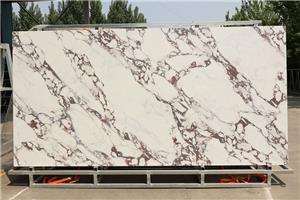
বৃহৎ আকারের প্রয়োগ, সুস্পষ্ট শিরাবিন্যাস, বুকম্যাচড পৃষ্ঠতল, ফিচার ওয়াল এবং সুস্পষ্ট আইল্যান্ড প্রতিটি স্ল্যাবের মধ্যকার পার্থক্যকে আরও লক্ষণীয় করে তুলতে পারে। বর্তমান ডিজাইন ধারাটি বৃহৎ আকারের এবং অত্যন্ত অভিব্যক্তিপূর্ণ পৃষ্ঠতলকে গুরুত্বপূর্ণ দৃশ্যমান উপাদান হিসেবে তুলে ধরছে, যা প্রতিটি স্ল্যাবকে একটি বিচ্ছিন্ন একক হিসেবে বিবেচনা না করে, বরং উপাদানগুলোর পারস্পরিক সম্পর্ক পরিকল্পনার ব্যবহারিক উপযোগিতা বৃদ্ধি করে।
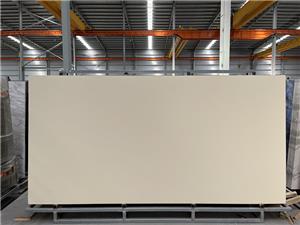
তুলনামূলকভাবে অভিন্ন পৃষ্ঠতলের ক্ষেত্রে, উৎপাদনকালের মধ্যেকার সামান্য পার্থক্য চূড়ান্ত প্রয়োগে সহজে চোখে নাও পড়তে পারে।
একটি সুস্পষ্ট নকশাযুক্ত পৃষ্ঠতল ভিন্ন হতে পারে। নকশার বিন্যাস, দিক, ঘনত্ব বা বৈশিষ্ট্য নতুন স্ল্যাবটি বিদ্যমান স্ল্যাবের সাথে কীভাবে সম্পর্কিত হবে, তা প্রভাবিত করতে পারে।
This is why visual records can be valuable. Photographs of approved material, full-slab references where available, and documented product information can give the supplier a much better basis for discussing a later order than a product name alone.
The requirement is not to eliminate natural or manufacturing-related variation. It is to make the relevant variation visible and manageable before the material is committed to a new application.
Keep a Record That the Next Order Can Actually Use
The most useful continuity record is not necessarily the largest one. It is the one that another purchasing or production team can understand later.
A buyer may want to preserve the original product code and specification together with the approved sample information, production reference, finish, dimensions, and relevant visual records. Where applicable, records of the original order, inspection, and shipment can provide additional context.
This is particularly useful when the next order is placed months or years later.
The person managing the replenishment may not be the person who approved the first sample. The supplier contact may have changed. The original sample may have been discarded. A project may have moved from design to procurement to installation teams.
A documented reference reduces the amount of information that has to be reconstructed from memory.
It can also make communication more precise. Instead of asking a supplier to “match the previous material,” the buyer can provide a defined reference and ask the supplier to confirm how the new production will be compared with it.
Ask the Manufacturer a Different Question the Second Time Around
The questions that matter during a repeat order are not exactly the same as those asked during initial supplier evaluation.
Instead of focusing only on whether the manufacturer can produce the product, ask how the manufacturer handles repeatability.
Questions may include:
Can the previously supplied product be identified from the original order records?
Can the new production be connected to the original product and reference?
How are production batches or manufacturing references recorded, where applicable?
Can the supplier provide current material images or production references for comparison?
What happens if the original surface is no longer produced?
Can the supplier distinguish between a normal production variation and a material that is no longer commercially comparable?
If the order is phased, how should production and delivery be coordinated?
What information should the buyer retain for future replenishment or replacement?
The exact answers will depend on the manufacturer's production and documentation system. The value of these questions is that they move the conversation beyond a simple promise of “same product” toward a process for maintaining supply continuity.
Long-term supplier guidance in the industry also commonly treats repeat orders, replenishment, and replacement as issues that benefit from an established reference and ongoing communication rather than from the original order alone.
When the Original Material Is No Longer Available
There is another possibility that buyers sometimes overlook: the original material may not be available when the next order is placed.
A product can be discontinued, reformulated, renamed, replaced by another design, or otherwise become unavailable. The original supplier may also no longer carry the exact production reference.
At that point, the problem changes from repeat supply to replacement sourcing.
The buyer may need to determine whether a newer product is sufficiently compatible for the intended application. This is where the original documentation becomes particularly useful. Without a clear record of what was previously approved, it is much harder to explain what the replacement material needs to match.
For visible installations, the replacement may need to be evaluated against the existing surface rather than against a generic catalog image.
For distributors or manufacturers, a discontinued product can also create an inventory and customer-service issue. A documented alternative specification can help determine whether a substitute should be treated as a new product or as a replacement option.
The earlier the continuity requirement is documented, the easier this decision becomes later.
Build Continuity Into the First Purchase
The best time to plan for the second order is before the first one is finished.
If a project, product line, or distribution program is likely to require future supply, the initial purchase should establish more than the immediate quantity.
The buyer can clarify which characteristics must remain consistent, identify the approved reference, retain relevant production information, and ask the supplier how later orders will be connected to the original material.
This does not mean every order needs a complicated quality-control system. The level of documentation should match the commercial risk.
A one-time low-visibility application may require little beyond the normal product specification.
A multi-phase commercial project, recurring furniture program, distributor inventory, or replacement-sensitive installation may justify a much stronger continuity record.
The key is to decide this before the first order becomes history.
Once the first material has been installed or distributed, recreating its exact reference can be considerably more difficult.
The Real Test Comes After the First Order
A successful first shipment demonstrates that a supplier can deliver a particular product at a particular point in time.
It does not automatically answer the question that matters later:
Can the same approved material be sourced again with a clear basis for comparison?
That is the practical meaning of sintered stone batch consistency for repeat procurement.
The objective is not to assume that every production run will be identical. It is to establish a documented reference, understand the continuity requirement, and give both buyer and manufacturer a practical way to evaluate later production.
For businesses purchasing sintered stone repeatedly, that distinction can affect project coordination, inventory planning, replacement decisions, and customer expectations.
A repeat order should reconnect the new production to the approved reference rather than simply repeat the SKU.
When continuity is considered part of the original purchasing decision, the first order becomes more than a completed transaction. It becomes the foundation for the orders that may follow.